
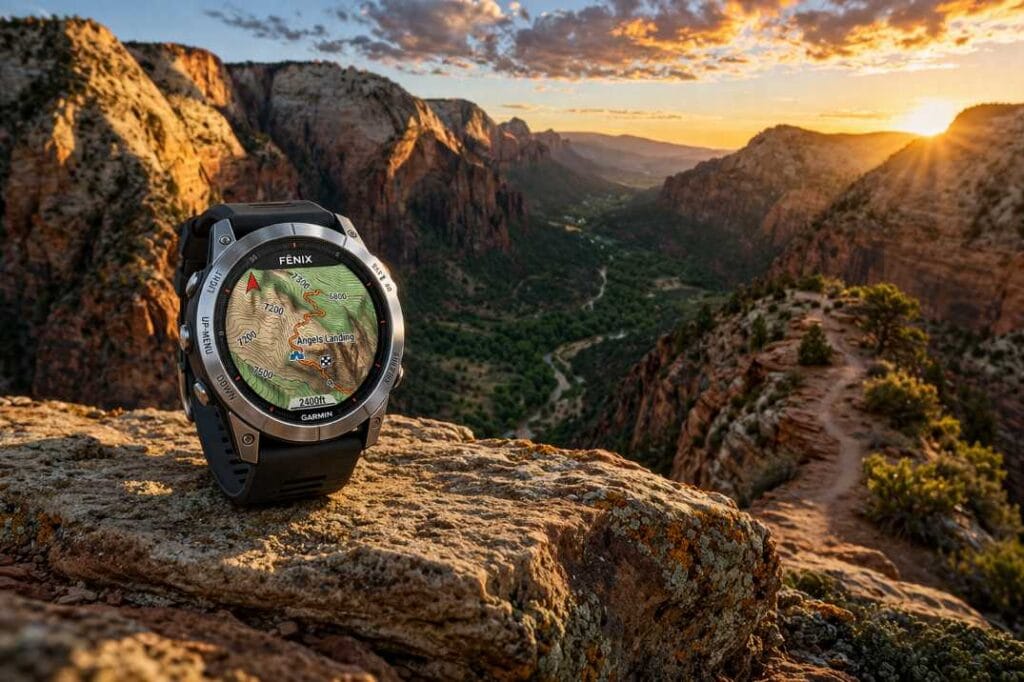
Look, I’ll be honest with you. I have a drawer full of smartwatches at home. Some are sleek and stylish, designed to match a suit. Others are delicate fitness trackers that break if you look at them wrong.
But when I pack my bags for a weekend in the Colorado Rockies or even just a long trail run in California’s Sierra Nevadas, there is only one watch I grab: the Garmin Fenix 7.
In the world of smartwatches, the Fenix series is the “Land Cruiser” of the bunch. It isn’t the prettiest, and it certainly isn’t the cheapest. But three years after its initial release—as we settle into 2026—does this watch still hold up against the newer competition like the Apple Watch Ultra 3 or the Coros Vertix 2S?
I’ve been wearing the Fenix 7 (specifically the Sapphire Solar edition) for the last six months across extreme conditions—from the humid heat of Florida to the freezing trails of the Pacific Northwest. Here is my no-BS, human-tested review to help you decide if this is the right adventure partner for you.
Quick Answer: Should You Buy the Garmin Fenix 7 in 2026?
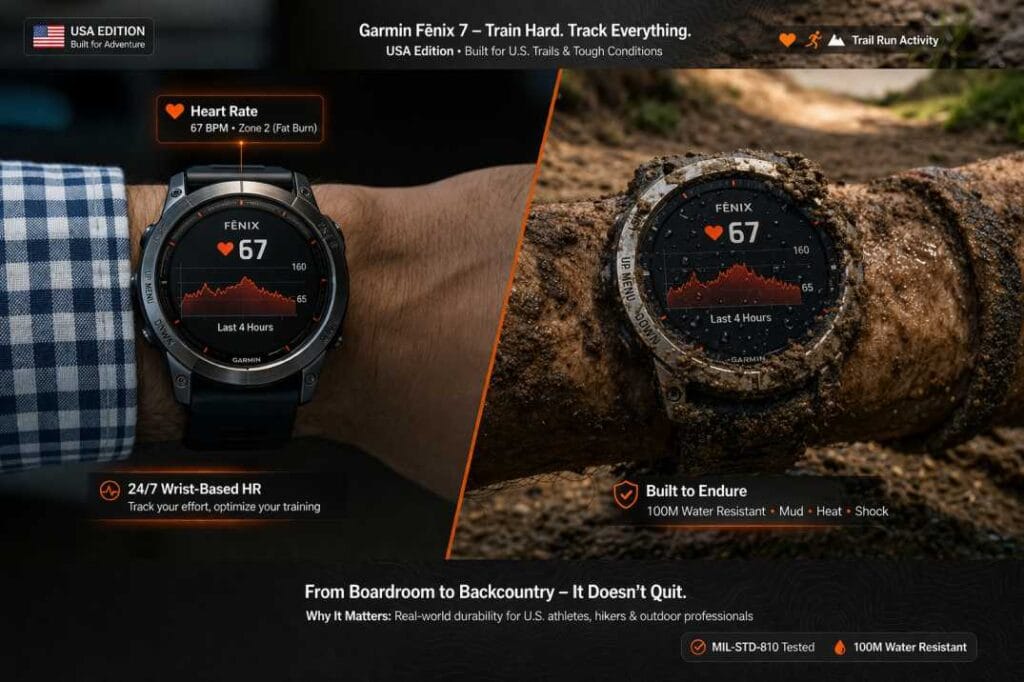
Yes, the Garmin Fenix 7 is still absolutely worth buying in 2026, but it depends on who you are.
If you are a serious ultra-runner, hiker, backpacker, or tactical user living in the USA, this is arguably the most reliable tool you can strap to your wrist. The hardware is over-engineered to last for years, and Garmin’s software updates have made it better today than it was on launch day.
However, if you are a casual gym-goer or someone who wants a “smartwatch” to reply to texts and make calls, you might be better served by a newer Apple Watch or a Samsung Galaxy Watch. The Fenix 7 is a fitness-first device; the “smart” features are secondary.
Top 3 Reasons the Garmin Fenix 7 Dominates the USA Market
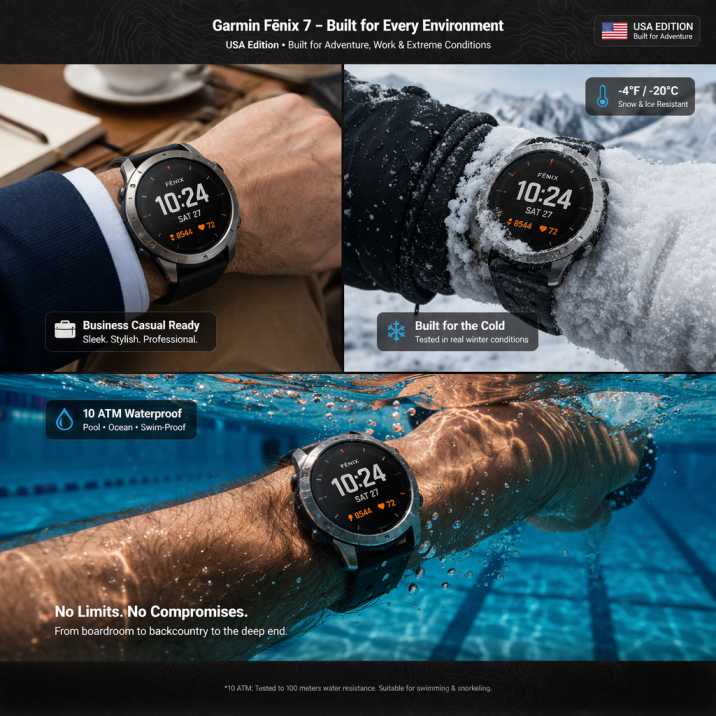
Before we dive deep, let’s look at why this specific model remains a top seller on Amazon and REI even three years post-launch.
- Unmatched Battery Life: While an Apple Watch needs a nightly charge, the Fenix 7 can go for weeks. In 2026, with battery anxiety being a real thing, this is a massive selling point.
- Solar Charging: The Sapphire Solar model actually extends battery life using sunlight. For thru-hikers on the Appalachian Trail or Pacific Crest Trail, this is game-changing.
- Mapping: The onboard TopoActive maps are superior to any competitor. You don’t need cell service to navigate.
Detailed Review: Testing the Garmin Fenix 7 in 2026
I want to break this down the way I talk to my buddies at the gym. I’m not going to read you a spec sheet you can find on Google. I’m going to tell you how this thing feels to use daily.
1. Build Quality: A Tank on Your Wrist
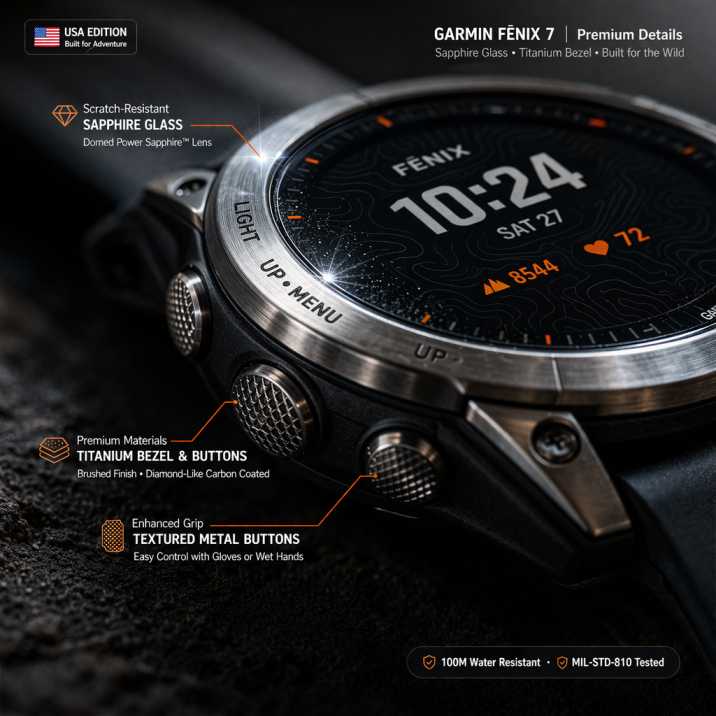
The first time you take the Fenix 7 out of the box, you feel the weight. This isn’t a lightweight plastic Fitbit. It’s a serious piece of equipment.
Garmin uses a fiber-reinforced polymer case with a metal bezel. I’ve accidentally slammed this thing against metal door frames, dropped it on granite rocks while scrambling, and banged it against dumbbells at the gym. The result? A few minor scuffs on the bezel, but the Sapphire Glass display looks brand new.
If you are an outdoor enthusiast in the USA—whether you’re mountain biking in Moab or skiing in Vail—you need a watch that can survive a tumble. This one does.
2. The Display: MIP vs. AMOLED
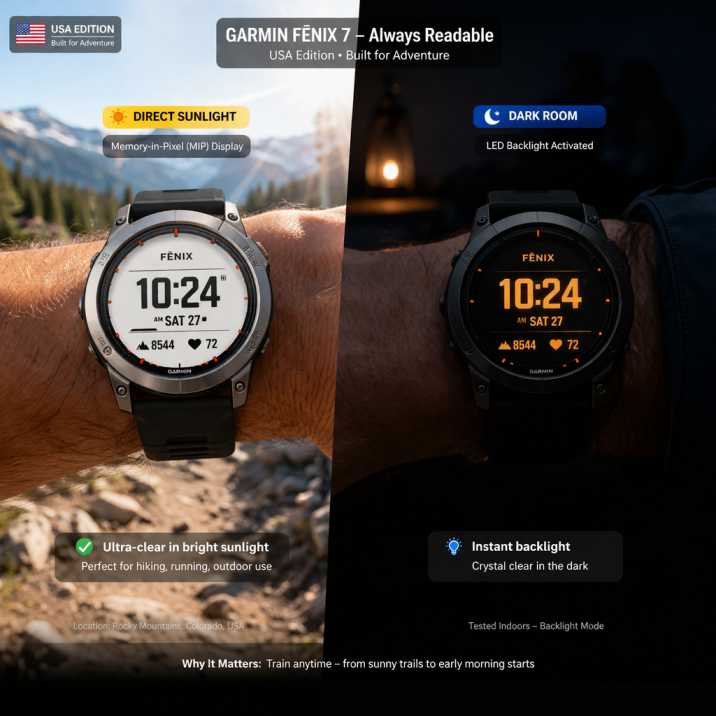
This is where the 2026 context matters. Garmin now has the Epix series (which is basically a Fenix with an AMOLED screen). The Fenix 7 uses a Memory-in-Pixel (MIP) display.
Some people call this “old tech.” I call it “the right tech for the job.”
In the harsh, bright sun of Arizona or California, the MIP display gets more readable. It doesn’t wash out. Plus, because it isn’t an AMOLED, the battery lasts significantly longer. If you prioritize visibility in direct sunlight and battery life over vibrant colors, you’ll love this screen. If you want a TV on your wrist, look at the Epix Gen 2.
3. GPS Accuracy: Better Than Ever in 2026
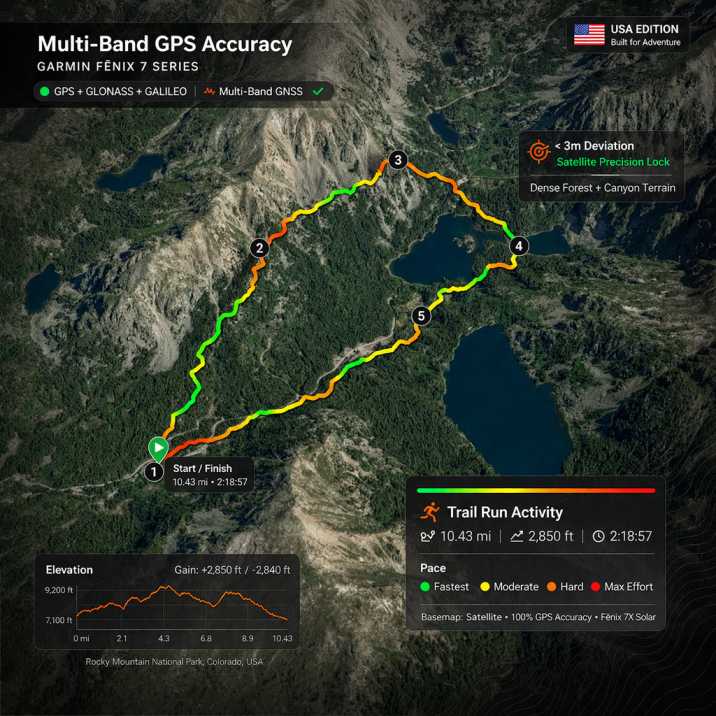
When I first reviewed Garmin watches years ago, you’d often finish a run and see the GPS track zig-zagging across streets where you didn’t go. The Fenix 7 introduced Multi-Band GNSS (GPS, GLONASS, Galileo).
In 2026, this is still the gold standard. I ran through the dense tree canopy of the Great Smoky Mountains and then through the concrete canyons of downtown Chicago. The tracking was flawless. For USA-based athletes who run in varied environments, the satellite lock is instant and the accuracy is scary good.
4. Battery Life: The Undisputed Champion
Let’s talk numbers, but I’ll keep them real.
- Smartwatch Mode: I get about 18 days with gesture mode on.
- Solar Boost: On a sunny hike, I’ve seen it gain hours of battery back.
- GPS Mode: I did a 10-hour ultra-marathon with full GPS and music playing. I finished with 45% battery left.
For context, my friend with an Apple Watch Ultra 3 can’t finish a marathon without putting his watch on low-power mode and losing half the features. The Fenix 7 laughs at long endurance events.
5. Software & Features: The “Garmin Ecosystem”
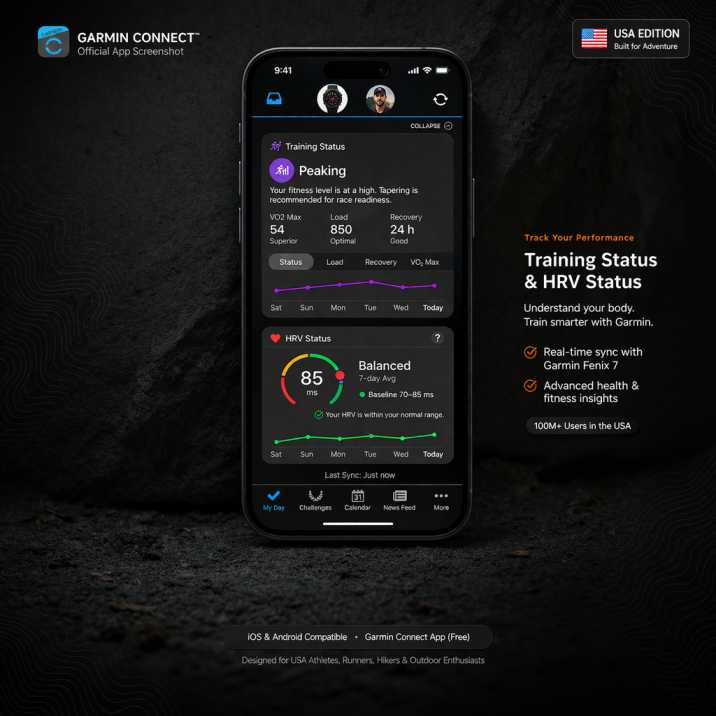
Garmin doesn’t just sell hardware; they sell a coaching platform. The Garmin Fenix 7 gives you metrics that actually help you train smarter, not just harder.
- HRV Status: Tells you if you’re about to get sick or if you’re overtraining.
- Training Readiness: Combines sleep, recovery, and training load to tell you if you should crush a workout or take a rest day.
- Real-Time Stamina: During a run, it shows you how much gas is left in the tank.
These metrics have genuinely helped me avoid injury while training for my first 50k race.
Pros and Cons (Honest Opinion)
To maintain trust, I have to be critical. The Fenix 7 isn’t perfect.
Pros:
- Durability: It will outlast your phone, your car, probably your marriage.
- Battery Life: Measured in weeks, not hours.
- Mapping: Offline TopoActive maps are a lifesaver for USA hikers.
- Physical Buttons: You can use them with gloves on (perfect for skiing/snowboarding) or in the rain.
- Solar Charging: Actually works, not a gimmick.
Cons:
- The Price: Even in 2026, it sits in the $600–$800 range. It’s an investment.
- Size: It’s bulky. If you have small wrists, it looks like a dinner plate.
- Smart Features: You can’t reply to texts with voice (unless you’re on Android with workarounds). If you want a “phone companion,” get an Apple Watch.
- Learning Curve: The five-button interface takes weeks to master. It’s not as intuitive as a touchscreen (though the Fenix 7 has a touchscreen—it’s just better to use buttons when sweating).
Comparison Table: Garmin Fenix 7 vs. Competitors (2026)
| Feature | Garmin Fenix 7 Sapphire Solar | Apple Watch Ultra 3 | Coros Vertix 2S |
|---|---|---|---|
| Best For | Extreme adventures, mapping | iPhone users, daily wear | Ultrarunners, value seekers |
| Battery Life | 18 days (Smartwatch) / 57 hrs (GPS) | 2 days (Smartwatch) | 60 days (Smartwatch) |
| Display | MIP (Sunlight visible) | AMOLED (Bright & colorful) | MIP (Transflective) |
| GPS | Multi-Band (Super accurate) | Multi-Band | Dual-Frequency |
| Mapping | Full TopoActive Maps | Basic Apple Maps (w/ phone) | Route navigation (less detailed) |
| Price | High (But durable) | High (But depreciates faster) | Mid-Range |
Buying Guide: Which Garmin Fenix 7 Model Should You Buy in the USA?
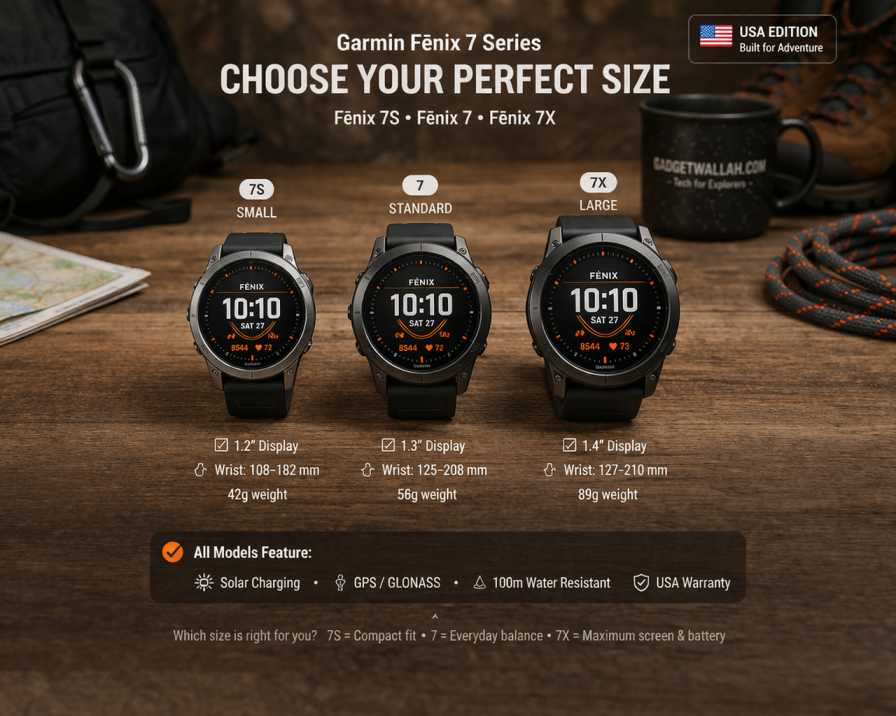
Garmin made this confusing by releasing multiple versions. Here is how to pick:
- Garmin Fenix 7S: This is the 42mm model. If you have smaller wrists or you want a watch that doesn’t look massive under a dress shirt, get this. Battery is slightly less, but still great.
- Garmin Fenix 7 (Standard): The 47mm sweet spot. This is the Goldilocks size. Great battery, fits most male wrists perfectly.
- Garmin Fenix 7X: The 51mm beast. If you have large wrists or you want the absolute maximum battery life (plus a built-in LED flashlight), get this. The flashlight is genuinely one of those “I use it every day” features.
Pro Tip for USA buyers: Keep an eye on sales at REI, Backcountry, and Amazon. Since we are in 2026, Garmin often runs discounts to compete with newer releases. You can often snag the Fenix 7 for $200–$300 off retail if you catch a holiday sale.
FAQs (Based on Google Search Intent)
Q: Is the Garmin Fenix 7 outdated in 2026?
A: Not at all. While the Fenix 8 might be on the horizon (rumors are swirling), the Fenix 7 receives constant software updates. The hardware is so robust that a 2026 Fenix 7 performs nearly identically to a brand-new model. It’s like buying a Toyota 4Runner—the older model is still the best for reliability.
Q: Can the Garmin Fenix 7 make phone calls?
A: If you pair it with an iPhone, no. You can answer calls on the watch, but you’ll talk through your phone. If you pair it with an Android, you can use the mic and speaker for calls via Bluetooth. It’s a bit clunky, so I don’t recommend it for heavy phone users.
Q: Garmin Fenix 7 vs. Apple Watch Ultra 3: Which is better?
A: If you live in the USA and rely heavily on iMessage, Siri, and cellular connectivity, get the Apple Watch Ultra. If you are a hardcore athlete, hiker, or someone who hates daily charging, get the Garmin Fenix 7. They serve two different masters.
Q: Does the Fenix 7 track sleep accurately?
A: Yes, it does. It tracks HRV and sleep stages well. However, because the watch is physically large, I find it uncomfortable to sleep in. If sleep tracking is your priority, consider the smaller 7S or a Venu series watch.
Final Verdict: Should You Click “Buy” in 2026?
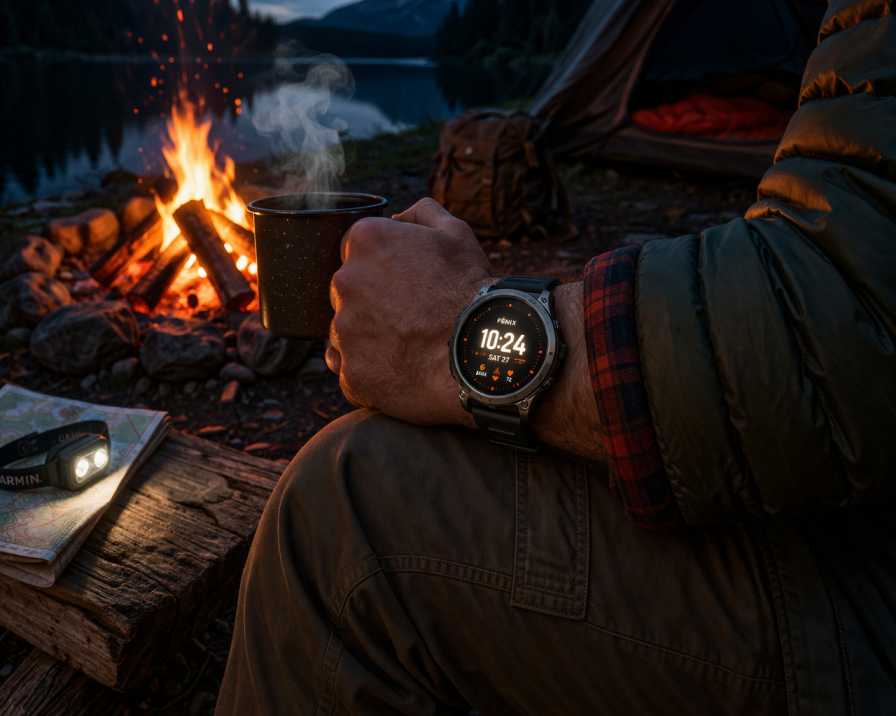
If you are reading this on GadgetWallah, chances are you are looking for a tool, not a toy.
The Garmin Fenix 7 is a testament to “if it ain’t broke, don’t fix it.” In 2026, the market is flooded with smartwatches trying to do too much. The Fenix 7 knows exactly what it is: a rugged, accurate, long-lasting GPS powerhouse for people who demand the best.
Is it worth buying? Absolutely. But only if you actually go outside.
If you’re a gym rat who just wants to track steps and show off a fancy screen, save your money. But if you have a race coming up, a hiking trip to Yosemite planned, or you simply value a device that won’t let you down in the middle of nowhere, this is the one.
Click Here to Check the Latest Price on Amazon (USA)
Written by Alex Carter, a passionate tech blogger and gadget reviewer with over a decade of hands-on experience in testing smartphones, wearables, and outdoor gear. At GadgetWallah, we focus on honest reviews and practical recommendations for USA and global users. When I’m not typing up reviews, you can find me trail running in the Pacific Northwest or obsessing over battery life metrics.