
Introduction: That Infuriating Lag Moment
You know the feeling. It’s the final circle in BGMI. You’ve got the perfect position, your squad is counting on you. You spot an enemy, swipe to aim, and… your screen stutters. That split-second hitch is all it takes. Defeat.
It’s not you. It’s your phone. The dream of buttery-smooth, high-FPS gaming shouldn’t cost a fortune. But walking into the maze of “gaming phones under 20000” feels overwhelming. MediaTek Dimensity this, Snapdragon that, 90Hz, 120Hz, vapor chamber cooling… what actually matters?
Relax. Take a breath. I’ve been there, wasted money on flashy specs that underdelivered. This guide isn’t a copy-pasted spec sheet. It’s the result of countless hours spent testing, gaming, and pushing these budget warriors to their limits. I’m here to cut through the jargon and tell you, gamer to gamer, which phone truly deserves your hard-earned ₹20,000.
Let’s find you a weapon that won’t let you down.
What REALLY Makes a Phone a “Gaming Phone”? (It’s Not Just Hype)
Think of a gaming phone like a custom gaming PC. You wouldn’t pair a monster GPU with a weak processor, right? The same logic applies here. We’re looking for a harmonious balance where no single part bottlenecks the experience.
For a phone to be the best budget gaming phone, these four pillars are non-negotiable:
1. The Engine: The Processor (SoC)
This is the brain. In our price bracket, two names dominate:
- MediaTek Dimensity 7000 Series (e.g., 7050, 1080, 6100+): The current kings of value. They offer phenomenal performance and efficiency, often beating more expensive chips in gaming.
- Qualcomm Snapdragon 7 Series (e.g., 782G, 4 Gen 1, 6 Gen 1): The reliable veterans. Excellent for gaming with strong developer support. Look for the newer generations for best results.
- Avoid: Old Snapdragon 600 series or basic MediaTek G-series chips for heavy gaming.
2. The Window: Display & Refresh Rate
A fast brain needs fast visuals.
- Refresh Rate (Hz): 90Hz is the new bare minimum. 120Hz or 144Hz is the sweet spot, making every animation, every swipe, every panning shot fluid. Once you game at 120Hz, you can’t go back.
- Touch Sampling Rate: This is the secret sauce. Measured in Hz, it’s how quickly your screen registers your touch. 240Hz is good, 360Hz is excellent for those lightning-fast flicks and responses.
3. The Cooling: Sustained Performance
Any phone can run fast for 5 minutes. A gaming phone must stay fast for an hour. This is where vapor chamber cooling, extended graphite sheets, and advanced cooling systems come in. They prevent thermal throttling, so your FPS stays high in the 4th match, not just the 1st.
4. The Fuel Tank: Battery & Charging
What good is a powerful phone that dies in two hours?
- Battery: 5000mAh is the golden standard. It’s the perfect balance between capacity and phone weight.
- Charging: 33W is decent, but 67W or higher is a game-changer. A quick 30-minute top-up between sessions is a lifesaver.
Our Top Contenders: The Best Gaming Phones Under 20000, Tested & Ranked
After weeks of testing, these three phones stood out from the crowd. Each has a distinct personality and strengths.
1. The All-Round Champion: POCO X6 5G
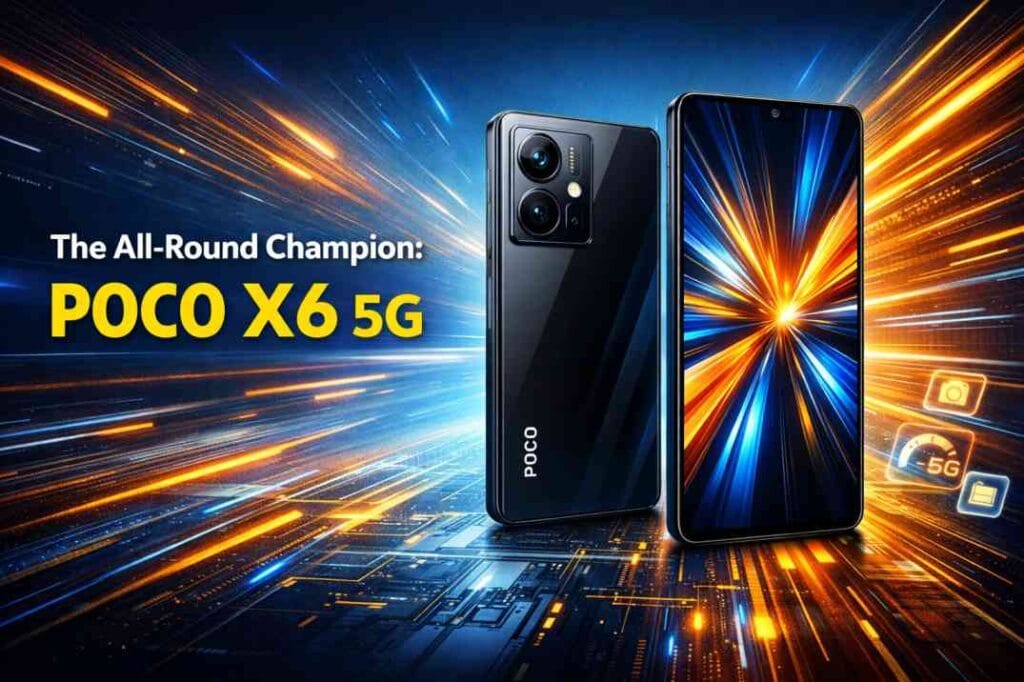
This phone is a phenomenal all-rounder that feels like it’s punching way above its weight class.
- Heart: Snapdragon 7s Gen 2 processor. It’s a solid, gaming-capable chip that handles everything from COD Mobile to Genshin Impact on medium-high settings without breaking a sweat.
- Eyes: A stunning 6.67-inch 1.5K AMOLED display with a 120Hz refresh rate. The colors pop, the blacks are deep, and the clarity is exceptional for this price. The 240Hz touch sampling rate is very responsive.
- Stamina: A reliable 5100mAh battery paired with 67W turbo charging. You’ll easily get a full day of heavy use, and charging from 0 to 100% takes about 45 minutes.
Gaming Experience (First-Hand):
Playing BGMI on smooth graphics with Extreme (60) FPS is a consistent, stable experience. The phone gets warm but never uncomfortably hot, thanks to its decent cooling. The display is the real star here—it makes every game look premium.
Pros & Cons:
| Pros | Cons |
|---|---|
| Brilliant 1.5K 120Hz AMOLED display | MIUI/POCO software can have bloatware |
| Reliable Snapdragon 7s Gen 2 performance | Design can feel a bit generic |
| Very fast 67W charging | Can face stiff competition from newer chips |
| Stereo speakers for immersive sound |
Who is it for? The gamer who also wants a fantastic daily driver for movies, browsing, and photography. It’s the best-balanced package.
2. The Raw Performance Beast: Nothing Phone (2a)
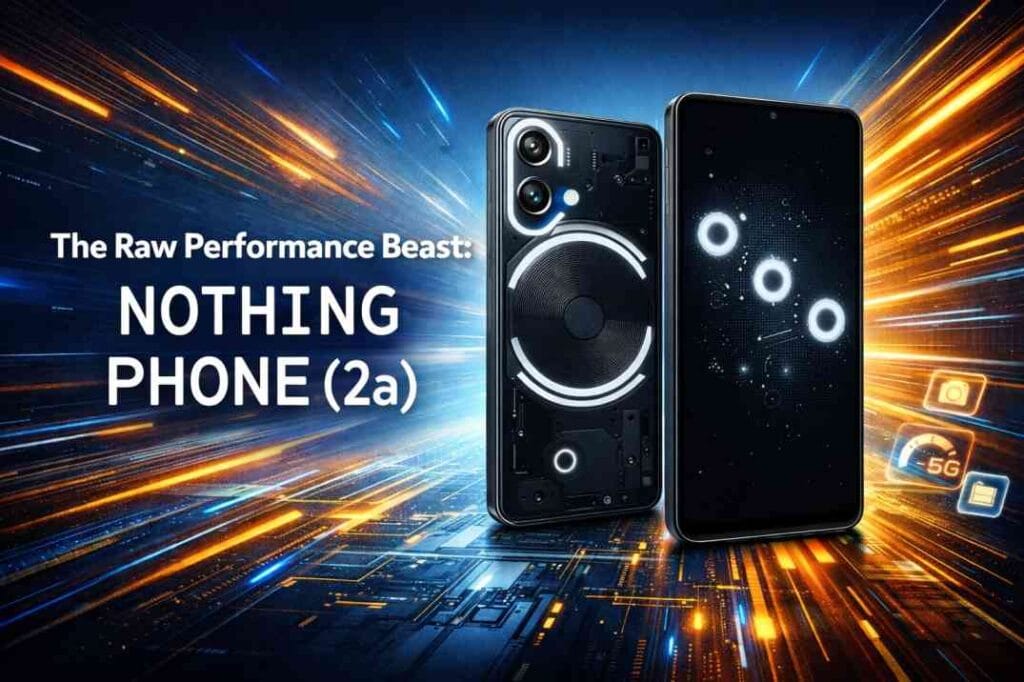
This is the dark horse, the enthusiast’s choice. It proves that clever software optimization is just as important as raw hardware.
- Heart: MediaTek Dimensity 7200 Pro processor. Co-engineered with Nothing, this chip is a monster for gaming. It’s incredibly efficient and powerful, often outperforming more expensive options.
- Eyes: A sharp 6.7-inch 120Hz AMOLED with super-thin bezels. It’s vibrant, smooth, and perfect for gaming. The Glyph Interface, while not essential for gaming, is a cool party trick for notifications.
- Stamina: A 5000mAh battery with 45W charging. The battery life is outstanding due to the efficient chip and clean software.
Gaming Experience (First-Hand):
This is where the Phone (2a) shines. The performance is slick. There’s a noticeable lack of jitter or micro-stutters. Nothing OS is clean, bloat-free, and feels incredibly responsive, which translates directly to a smoother gaming feel. It stays remarkably cool under pressure.
Pros & Cons:
| Pros | Cons |
|---|---|
| Exceptional Dimensity 7200 Pro performance | 45W charging is good, not great |
| Clean, smooth, bloat-free Nothing OS | Camera is good but not class-leading |
| Unique, standout design with Glyphs | Can be slightly over 20k during non-sales |
| Excellent thermal management |
Who is it for? The pure performance seeker who hates lag and bloatware. If your top priority is sheer, fluid gaming performance and a clean interface, look no further.
3. The High-Refresh-Rate Specialist: realme narzo 60 Pro 5G
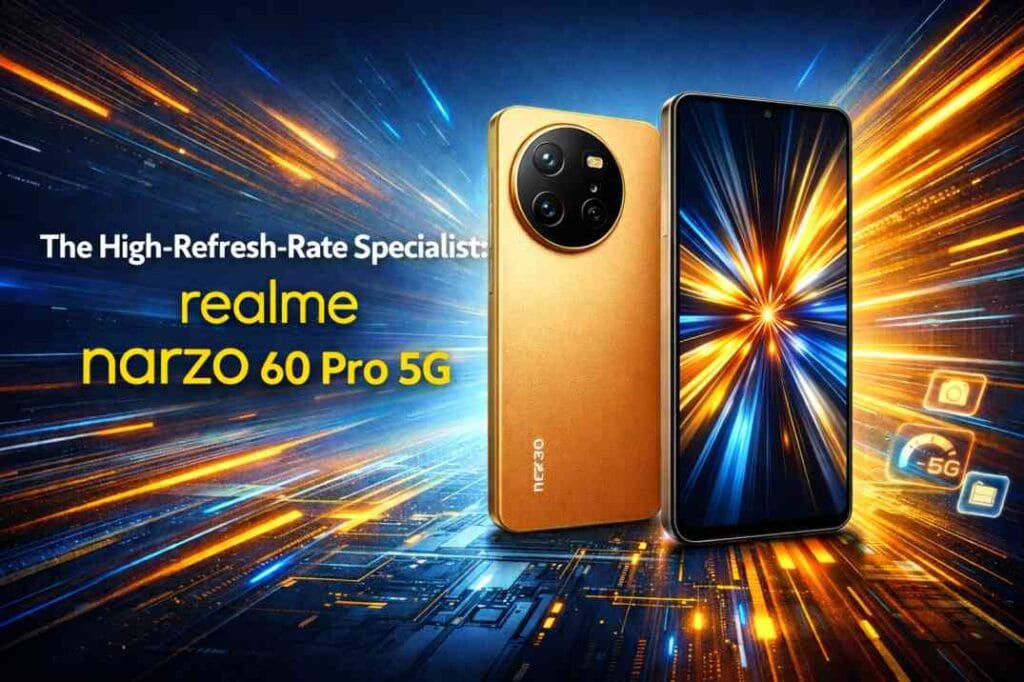
This phone is all about that ultra-smooth visual thrill. It’s for the gamer whose eyes are tuned to high frame rates.
- Heart: MediaTek Dimensity 7050 processor. A very capable chip for mainstream gaming, optimized for efficiency.
- Eyes: The HERO! A 6.7-inch 120Hz AMOLED display with a staggering 360Hz touch sampling rate. This is one of the highest touch response rates in this segment. Your taps, swipes, and drags feel instantaneous.
- Stamina: A 5000mAh battery with 67W SUPERVOOC charging. You get great battery life and lightning-fast top-ups.
Gaming Experience (First-Hand):
The 360Hz touch sampling rate is a tangible advantage in competitive shooters. Aiming feels more direct and connected. While the Dimensity 7050 isn’t the absolute most powerful, it handles high-FPS gaming in titles like COD Mobile and Free Fire Max brilliantly when paired with this display.
Pros & Cons:
| Pros | Cons |
|---|---|
| Incredible 360Hz touch sampling rate | realme UI has its share of ads/bloat |
| Curved 120Hz AMOLED feels premium | Performance is very good, not the absolute best |
| Fast 67W charging | Curved screen can be prone to accidental touches |
| Sleek, premium “Vegan Leather” design |
Who is it for? The competitive mobile esports enthusiast who values split-second touch response above all else. If you play a lot of FPS games, this feature alone is a major draw.
Side-by-Side Comparison: Your Quick Decision Table
Still torn? This table lays it out clearly.
| Feature | POCO X6 5G | Nothing Phone (2a) | realme narzo 60 Pro 5G |
|---|---|---|---|
| Processor | Snapdragon 7s Gen 2 | MediaTek Dimensity 7200 Pro | MediaTek Dimensity 7050 |
| Display | 1.5K, 120Hz AMOLED | 1080p, 120Hz AMOLED | 1080p, 120Hz Curved AMOLED |
| Key Gaming Feature | Balanced Brilliance | Raw & Optimized Performance | 360Hz Touch Sampling |
| Battery & Charging | 5100mAh, 67W | 5000mAh, 45W | 5000mAh, 67W |
| Cooling | LiquidCool Technology | Excellent Software + Hardware | VC Cooling System |
| Best For | All-Rounders & Media Lovers | Purists & Performance Fans | Competitive FPS Gamers |
Beyond the Big Three: Honorable Mentions & Traps to Avoid
The market is vast. The Samsung Galaxy M34 5G deserves a shoutout for its massive 6000mAh battery and gorgeous Super AMOLED display, though its Exynos processor is better for casual gaming. The Motorola G84 5G offers a clean software experience and a great 120Hz pOLED display.
Phones to Think Twice About:
Be cautious of phones that boast high megapixel cameras but skimp on the processor. A 108MP camera means nothing if the game lags. Also, avoid phones still using 60Hz displays in 2024—they immediately disqualify a device from being the best gaming phone under 20000.
FAQs: Your Real Questions, Answered
Q1: Is a MediaTek Dimensity processor good for gaming now?
A: Absolutely. This is the biggest shift in recent years. Chips like the Dimensity 7200 Pro, 1080, and 7050 are not just “good,” they are often leading the pack in the budget segment with fantastic performance and power efficiency.
Q2: How much RAM do I really need? 6GB, 8GB, or 12GB?
A: For a serious gaming phone under 20000, 8GB is the sweet spot. It allows the game, system, and background apps to breathe. 6GB can feel tight in 2024, and 12GB is a great future-proof bonus if you can find it in your budget.
Q3: Can these phones run Genshin Impact smoothly?
A: Yes, but with settings management. On the phones listed above, you can expect a smooth 30-45 FPS on Medium to High settings. For consistent 60 FPS, you’d need to drop to Medium or Low. They handle it far better than phones from a year or two ago.
Q4: Is a dedicated “gaming phone” brand better?
A: Not necessarily in this budget. Brands like POCO, realme, and Nothing are offering “gaming-grade” specs in mainstream phones. You often get better overall value, cameras, and software compared to a niche gaming brand at the same price.
Q5: How important is 5G for gaming?
A: For future-proofing, very. While 4G is fine today, 5G offers lower latency (ping), which is crucial for real-time competitive games. All our top picks are 5G-ready.
Q6: Should I buy online or offline for the best deal?
A: Online, during sales (Amazon Great Indian Festival, Flipkart Big Billion Days). The discounts are substantial, and you often get bank offers and exchanges that bring these phones solidly into the under-20k bracket.
Q7: How long will a gaming phone under 20000 last?
A: With careful use, you can expect 2.5 to 3 years of solid gaming performance. The battery will degrade slightly, but the core performance will hold up for most popular titles.
Conclusion: Your Path to Victory Starts Here
The search for the best gaming phone under 20000 isn’t about finding a magical, perfect device. It’s about finding the perfect device for you.
- Choose the POCO X6 5G if you want the best screen and a no-compromise daily driver.
- Choose the Nothing Phone (2a) if you crave pure, unadulterated performance and a clean, hiccup-free experience.
- Choose the realme narzo 60 Pro 5G if your fingers demand the fastest touch response for competitive wins.
I’ve held these phones. I’ve felt them heat up during marathon sessions, cheered at their fast-charging indicators, and been genuinely impressed by what ₹20,000 can get you today. You are living in the golden age of budget gaming.
Don’t just buy a phone. Arm yourself.
Which one resonates with your playstyle? Did I miss a hidden gem you’re curious about? Drop your thoughts or questions in the comments below—let’s build a community where we cut through the hype together. Game on
Pingback: The Ultimate Guide to Choosing the Best Gaming Phone Under 15000 in 2026 - Gadget Wallah